Visualizing Cellular Coverage: A Key Tool for Regulatory Agencies in Closing Access Gaps
Across the globe, regulatory agencies face a critical challenge: ensuring that mobile network operators deliver on their coverage promises. As governments push for Universal Access and Service (UAS) obligations, the ability to accurately visualize and verify cellular coverage has become essential for closing the digital divide.
The Regulatory Challenge
Regulators typically rely on coverage maps submitted by operators themselves — maps based on propagation simulations that may paint an optimistic picture of actual coverage. This creates an information asymmetry that makes it difficult to enforce license obligations, identify underserved areas, and allocate resources effectively. Without independent verification, regulatory decisions risk being based on theoretical models rather than subscriber reality.
Independent Coverage Verification
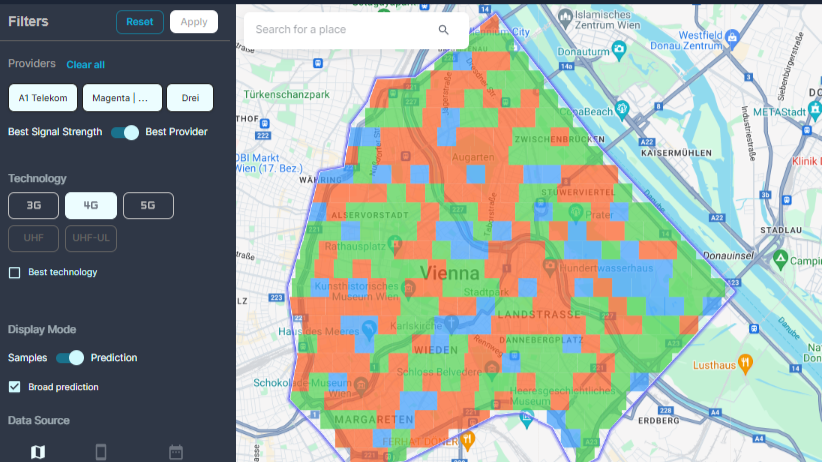
Modern coverage visualization tools powered by real-world measurement data give regulators an independent view of actual network performance. By leveraging crowd-sourced measurements from millions of devices, regulators can compare operator-reported coverage against measured reality, identify specific geographic areas where coverage falls below acceptable thresholds, and track coverage improvements over time to verify compliance with license conditions.
Closing Access Gaps
Accurate coverage visualization is particularly critical in developing markets, where universal access obligations are designed to extend connectivity to underserved rural and remote communities. By precisely identifying where coverage gaps exist, regulators can target subsidies and incentives to the areas that need them most, ensure that operators invest in underserved areas rather than only profitable urban centers, and measure the effectiveness of universal access programs.
Pro-Market Reform Through Data
Coverage visualization also supports pro-market regulatory reforms by creating transparency that benefits all stakeholders. Operators gain clear targets for network expansion, investors can assess the true state of national connectivity, and citizens can hold both operators and regulators accountable for coverage commitments.
The Path to Digital Inclusion
Closing the digital divide requires more than good intentions — it requires accurate data and effective enforcement tools. As coverage visualization technology continues to advance, regulatory agencies will be better equipped than ever to ensure that the benefits of mobile connectivity reach every community.
Ready to see Flycomm in action?
Discover how real-world wireless intelligence can transform your network operations and decision-making.
Request a Demo